










Braccialetto in silicone NFC JM11
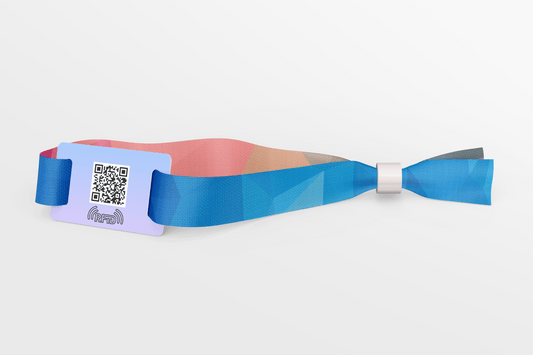
Braccialetti RFID e QR in tessuto con stampa a colori
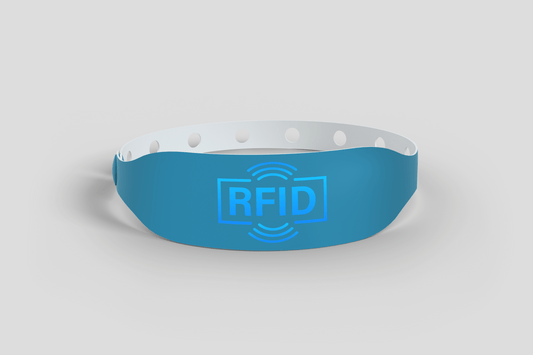
Braccialetti in vinile RFID
Braccialetto in silicone NFC JM13
Braccialetto in silicone NFC JM13
Disponibile •
Tempo di produzione: 10-18 giorni
• Per unità a partire da
€0,96Braccialetto in silicone NFC JM11
Braccialetti RFID e QR in tessuto con stampa a colori
Braccialetti in vinile RFID
- Tempo di produzione 10-18 giorni
- Prezzi garantiti -5%
- Consegna conveniente
Dettagli del prodotto
Dettagli del prodotto
Braccialetto in silicone NFC JM13
Braccialetto in silicone NFC resistente per controllo accessi, identificazione dei membri e pagamenti contactless.
JM13 è pensato per contesti con tanti utenti e un impiego quotidiano. Il resistente braccialetto in silicone unisce il comfort a una soluzione NFC stabile e rende semplice gestire gli accessi, registrare i membri o incassare i pagamenti a eventi e all'interno delle strutture.
Caratteristiche
- Materiale: silicone resistente e flessibile, adatto all'uso quotidiano
- Stampa / marcatura: stampabile con design, testo, logo o codice QR
- Chip disponibili: FM1108, MiFare Classic 1K 4B, NTAG 213, MiFare Ultralight EV1
- Tempi di produzione: comunicati al momento dell'ordine, variano in base al chip e alla stampa scelti
- Consegna: spedizione rapida
- Ordine minimo: 50 pz.
Utilizzo
Adatto a piscine, palestre, scuole, associazioni ed eventi che hanno bisogno di una gestione degli accessi stabile.
Perché JM Band®
JM Band® fornisce soluzioni NFC e RFID accuratamente testate, con alta qualità, esperienza tecnica e consegne rapide.


Hai selezionato la quantità corretta?
Il prodotto è stato aggiunto al carrello.
| Tempi di produzione | 10-18 giorni |
|---|---|
| Materiale | Silicone |
| Chip RFID | FM1108 7B — MiFare Classic® 1K 4B — NTAG 213 — MiFare Ultralight® EV1 |
| Chiusure | Senza chiusura |
| Personalizzazione | |
| Certificati |


|
| Tipo di materiale | Silicone |
|---|---|
| Elementi durevoli | |
| Resistenza allo strappo | 180.0 N |
| Resistenza all'acqua | Impermeabile |
| Solidità dei colori | 7/8 |
| Comfort | |
| Ipoallergenico | Hypoallergenic |
| Ignifugo | ritardante di fiamma |
| Tolleranza alla temperatura | 'da -40°C a 150°C |
| Impronta di carbonio | 0.039 kg CO2e |
| Metodo di stampa | Goffrato con riempimento colorato |
|---|---|
| Numero di colori | 4 |
| Superficie | Lucido |
| Tavolozza dei colori | Pantone® C |
| Resistenza ai graffi | Alto |
| Durata della stampa | 180 |
| Qualità di stampa | Standard |
| Specifiche | FM1108 7B | MiFare Classic® 1K 4B | NTAG 213 | MiFare Ultralight® EV1 |
|---|---|---|---|---|
| Produttore | Fudan | NXP | NXP | NXP |
| Frequenza | 13.56 MHz | 13.56 MHz | 13.56 MHz | 13.56 MHz |
| Norma ISO/IEC | ISO/IEC 14443A-3 (MIFARE Classic protocol) | ISO/IEC 14443A-3 (MIFARE Classic protocol) | ISO/IEC 14443A (Type A), NFC Forum Tag Type 2 | ISO/IEC 14443A (Type A) |
| Portata max. | 80.0 mm | 100.0 mm | 50.0 mm | 100.0 mm |
| Capacità di memoria | 1024 bytes | 1024 bytes | 144 bytes | 48,128 bytes |
| Lunghezza UID | 7 bytes | 4 bytes | 7 bytes | 7 bytes |
| Protezione dei dati | Cifrario proprietario Crypto-1 | Cifrario proprietario Crypto-1 | Protezione con password a 32 bit | Nessuno |
| Cicli di lettura/scrittura | 100000 | 100000 | 100000 | 100000 |
| Certificato 1 | |
|---|---|
| Norma |
Sistema di valutazione del credito AAA
|
| Rilasciato da | dun & bradstreet |
| Numero di certificato | JM Band 2025 |
| Valido fino al | 30. Sep 2025 |
| Descrizione | AAA, il rating più alto in termini di merito creditizio (2025). Rilasciato da Dun & Bradstreet, indica che la società ha una posizione finanziaria estremamente solida e un'eccellente capacità di far fronte agli obblighi di pagamento correnti. Si tratta del livello più alto nella scala di rating del credito. |
| Certificato 2 | |
| Norma |
Direttiva RoHS (UE) 2015/863 che modifica l'allegato II della direttiva 2011/65/UE
|
| Rilasciato da | SGS-CSTC Standards |
| Numero di certificato | SZXEC23001672701 |
| Descrizione | Test di conformità RoHS per braccialetti in silicone arancione secondo la direttiva RoHS UE (UE) 2015/863 (Pb, Cd, Hg, Cr(VI), PBB, PBDE, DEHP, BBP, DBP, DIBP). Tutti i valori misurati sono inferiori ai limiti di legge; conclusione "Superato". |
| Certificato 3 | |
| Norma |
ISO 9001:2015
|
| Rilasciato da | BoA |
| Numero di certificato | 65625Q7176R0Z |
| Valido fino al | 20. Oct 2028 |
| Descrizione | Certificazione di terza parte del sistema di gestione della qualità ISO 9001:2015 per il fornitore, secondo GB/T 19001-2016 / ISO 9001:2015. |
| Certificato 4 | |
| Norma |
CE
|
| Descrizione | La marcatura CE è una dichiarazione del produttore che un prodotto soddisfa gli standard di salute, sicurezza e ambiente dello Spazio economico europeo (SEE) e può essere venduto liberamente al suo interno. |
| Tipo | |
|---|---|
| Senza chiusura | 
|
FAQ
Un braccialetto in silicone NFC si usa di solito per il controllo degli accessi, l'identificazione e i pagamenti contactless. Funziona come una chiave digitale da avvicinare a lettori o terminali: così chi lo indossa entra rapidamente in aree riservate, registra un abbonamento o paga senza contanti né carte. È una soluzione molto diffusa in piscine, palestre, scuole, festival ed eventi, dove occorre gestire tante persone in modo efficiente. Basta un passaggio del braccialetto per ridurre code e lavoro amministrativo, con un'esperienza più fluida sia per gli ospiti sia per il personale.
Il braccialetto in silicone NFC JM13 è disponibile con diversi tipi di chip, in base al sistema di controllo accessi o di pagamento che già utilizzi. Le opzioni più comuni sono FM1108, MiFare Classic 1K 7B, NTAG 213 e MiFare Ultralight EV1. La scelta dipende dalla compatibilità con il tuo sistema e dalle funzioni che ti servono: alcuni chip sono pensati soprattutto per i sistemi di controllo accessi, altri si prestano a soluzioni più semplici di identificazione o pagamento. Noi di JM Band® ti aiutiamo volentieri a individuare il chip giusto, così il braccialetto funziona in modo affidabile con il sistema che hai già.
Sì, il JM13 si può personalizzare con la stampa, così il braccialetto rispecchia il tuo marchio o il tuo evento. Puoi far stampare direttamente sul braccialetto loghi, testi, codici colore o codici QR, rendendolo pratico e immediatamente riconoscibile. La stampa può avere anche una funzione concreta, ad esempio distinguere livelli di accesso, categorie di abbonamento o aree VIP. In questo modo il braccialetto non è solo uno strumento tecnico di accesso, ma anche un elemento visibile dell'identità del tuo evento, della tua struttura o della tua organizzazione.
Sì, i braccialetti in silicone NFC sono pensati per contesti con tanti utenti e un uso quotidiano frequente. Il silicone è un materiale flessibile e resistente, che sopporta acqua, sudore e un uso ripetuto senza perdere comfort o funzionalità. Per questo il braccialetto è ideale in piscine, palestre, centri benessere e impianti sportivi, dove spesso si indossa per periodi prolungati. Allo stesso tempo resta ben saldo al polso, riducendo il rischio di smarrire le tessere di accesso e rendendo la soluzione pratica anche negli ambienti più affollati.
-

Braccialetti per eventi
Abbiamo clienti soddisfatti JM Band® offre soluzioni flessibili per il polso per...
-

NFC tag & Chip
Che cosa sono i tag NFC e come funzionano I tag NFC,...


